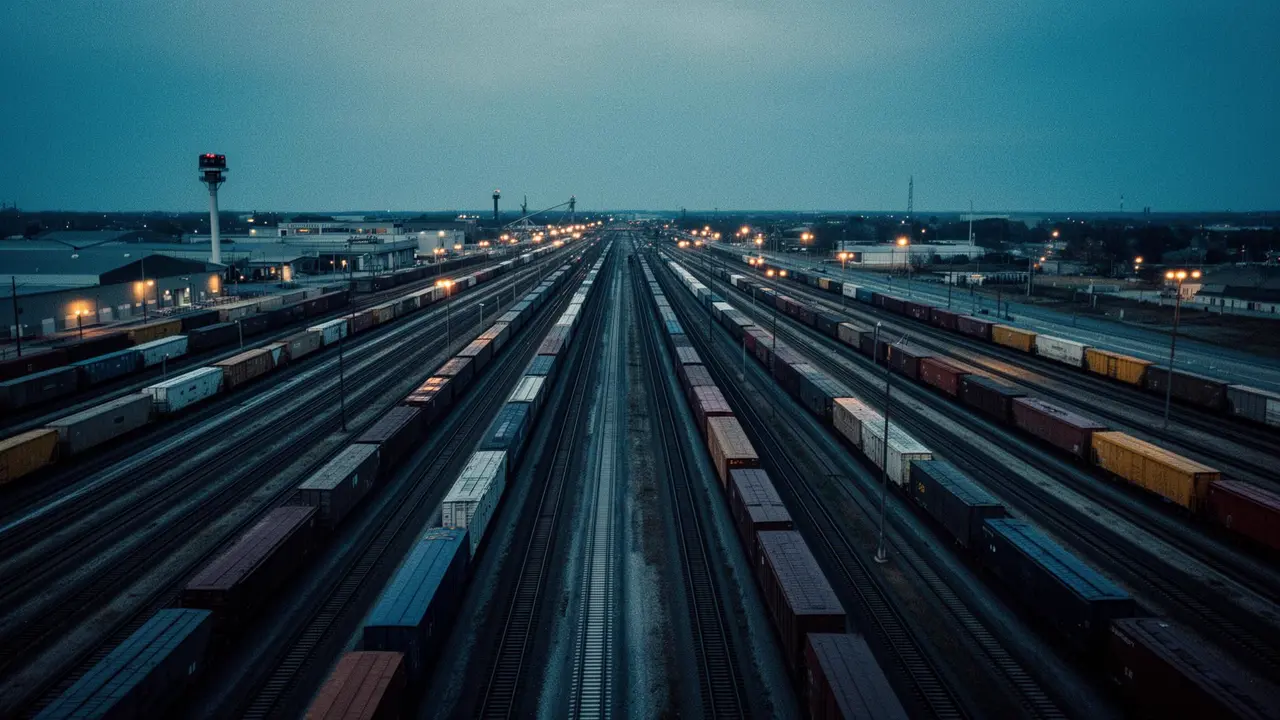
Breathing new life into under-utilized rail infrastructure.
Dormant rail assets are not obsolete — they are under-managed. With the right operating expertise, commercial focus, and patient capital, under-performing infrastructure can be transformed into durable, cash-generative businesses.
Found this useful? Share it with your network.
The gap between a dormant rail asset and a thriving one is operational — not structural.
Across North America, thousands of miles of rail track, terminals, yards, and sidings sit under-utilized or dormant. In many cases, these assets were abandoned not because they lacked economic potential, but because prior ownership lacked the capital, expertise, or strategic focus to unlock it.
The opportunity for investors and operators is substantial. Rail infrastructure is irreplaceable. The rights-of-way, track, terminals, and industrial connections that took decades to assemble cannot be replicated today. When dormant assets are paired with hands-on management, improved commercial practices, and targeted capital investment, they frequently generate returns that exceed greenfield alternatives — at a fraction of the risk.
Our thesis is simple: under-managed rail assets are not stranded assets. They are mispriced opportunities waiting for the right combination of operating discipline, renewed commercial focus and long-term capital.
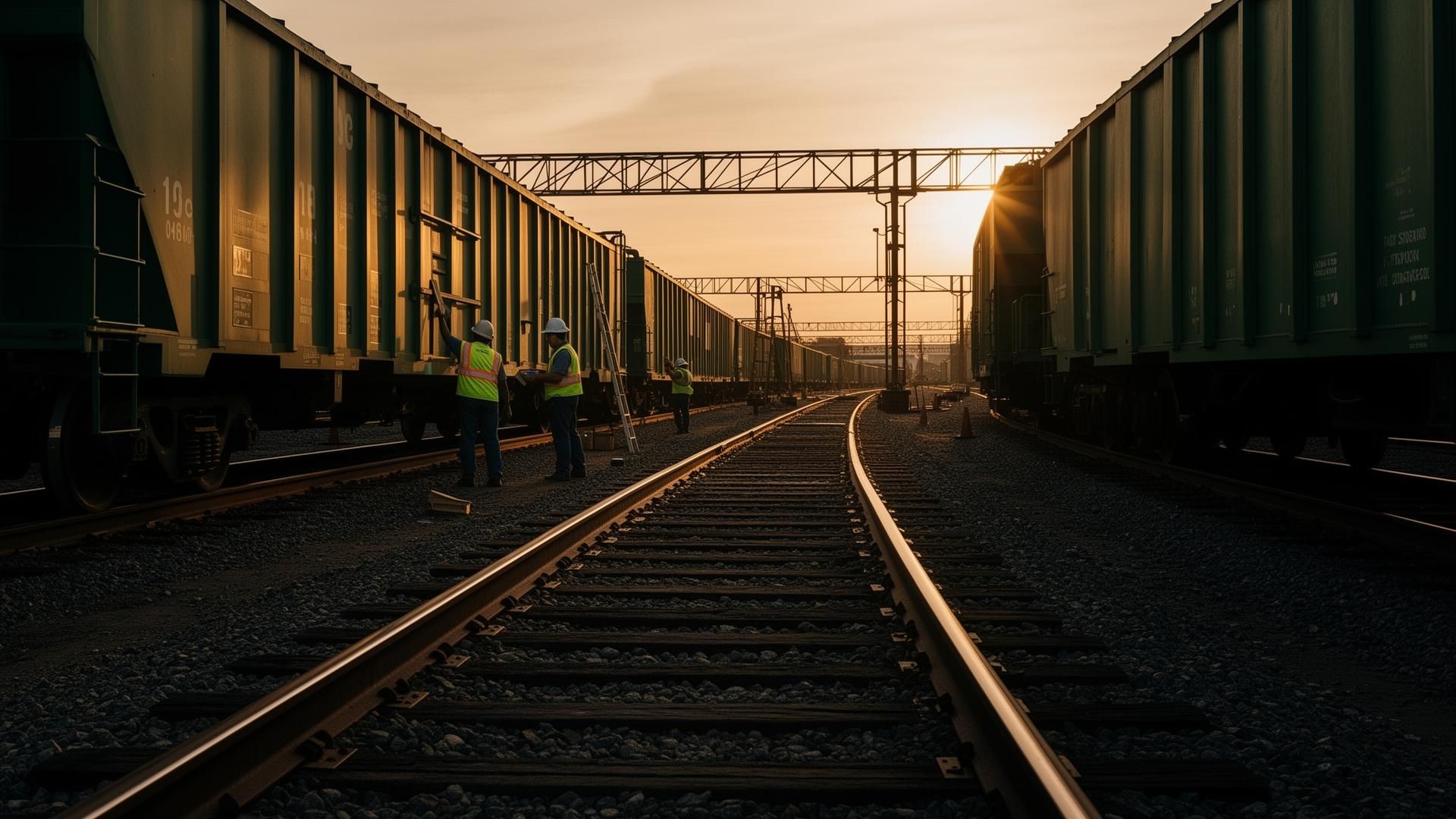
Dormant assets are not obsolete — they are under-managed.
The defining characteristic of under-utilized rail infrastructure is that the physical asset is sound, but the operational and commercial execution is not. Track may need rehabilitation, but the corridor is intact. Terminals may be dated, but the location is strategic.
The transformation opportunity lies in closing that gap — bringing operational discipline, commercial focus, and targeted capital to assets that have been left behind.
Six reasons dormant rail assets are compelling value-creation opportunities.
Irreplaceable infrastructure
The track, terminals, and rights-of-way that comprise a rail asset cannot be rebuilt. Contiguous corridors, grade separations, and industrial connections assembled over a century are effectively impossible to replicate — giving existing assets a permanent structural advantage.
Under-management, not obsolescence
Most dormant rail assets were neglected by owners who viewed them as peripheral to their core business, not because the underlying economics failed. Poor car utilization, weak pricing discipline, absent commercial outreach, and deferred maintenance are operational problems — not structural ones.
Operating leverage is immediate
Rail infrastructure has high fixed costs and low marginal costs. Small improvements in traffic volume, car utilization, and pricing translate directly into outsized margin expansion. A 20% volume increase on a fixed-cost base can double operating income.
Diversification into ancillary revenue
Beyond carload freight, rail assets can generate revenue from railcar storage, transloading, industrial development, and land leases. These ancillary streams reduce reliance on any single customer or commodity and improve returns on the same fixed asset base.
Capital efficiency over capital intensity
Transforming a dormant asset requires targeted investment — not massive new construction. Rehabilitating existing track, upgrading signaling, and improving loading infrastructure typically costs a fraction of building equivalent capacity from scratch.
Policy tailwinds
Federal and state infrastructure programs, shortline tax credits, and economic development incentives reduce the capital burden of rehabilitation. These programs reinforce the long-term viability of rail networks and improve project-level returns.
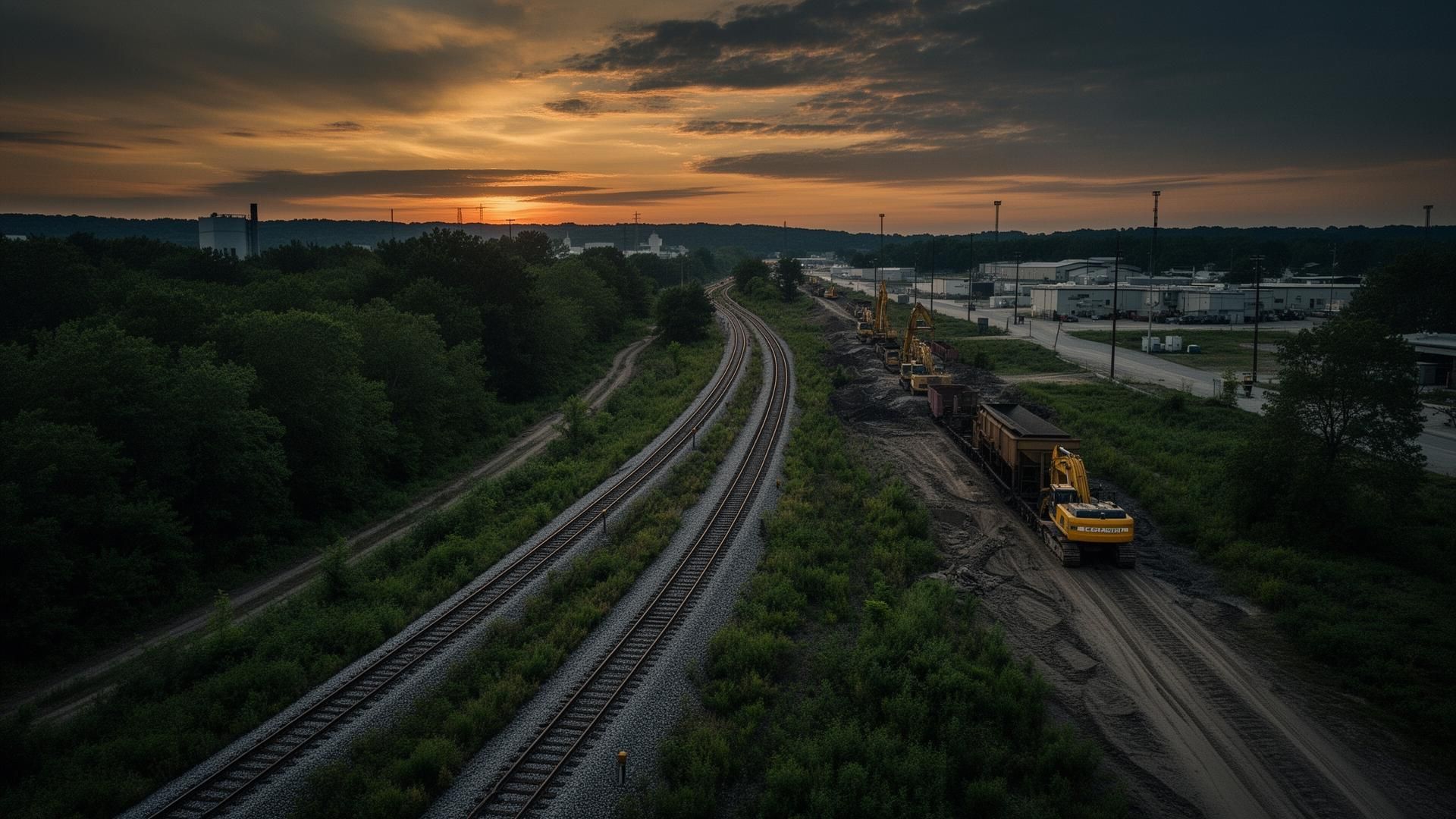
You cannot build a new railroad next to an existing one — dormant or not.
How hands-on expertise converts dormancy into cash flow.
Commercial reinvention
Many dormant assets lack active sales and marketing. Re-engaging former customers, targeting new shippers, and redesigning service offerings to match modern logistics needs can unlock volumes that prior ownership never pursued.
Operational discipline
Better car scheduling, faster switching, reduced dwell times, and improved asset utilization convert the same physical infrastructure into more revenue. Operating discipline is often the single biggest driver of value creation.
Strategic capital deployment
Targeted investments — siding extensions, loading pad upgrades, transload facilities, and intermodal terminals — expand service capabilities and attract higher-margin traffic without requiring full network rebuilds.
Four ways to diversify revenue beyond carload freight.
Railcar storage
During market downturns, railcar owners need secure storage. Dormant sidings and yards can generate immediate revenue from storage fees while maintaining the asset for future freight operations.
Transloading & material handling
Co-locating transload facilities allows rail-served sites to handle commodities that move by both truck and rail — expanding the customer base and creating high-margin service revenue.
Industrial land development
Rail-adjacent land can be leased or developed for industrial tenants who value direct track access. This converts idle real estate into recurring rental income and deepens the economic ecosystem around the rail asset.
Maintenance & service contracts
Providing railcar services, car repair, and switching services generates additional revenue streams and deepens operational expertise.
Dormant rail assets are mispriced opportunities — not stranded ones.
The combination of irreplaceable infrastructure, fixable operational problems, and multiple revenue expansion paths makes under-utilized rail assets one of the most compelling corners of transportation investing. These are not turnaround stories — they are untapped franchises waiting for the right stewardship.
Patient capital paired with hands-on operating expertise and an expanded commercial focus can transform an average-performing or dormant rail asset into a durable, cash-generative business. That is the core of our asset transformation thesis — and the foundation of how we create lasting value.
How we create valueLet's discuss how to unlock its potential.
If you're an owner of an under-performing asset, or exploring ancillary revenue streams, our team brings the rail operations, commercial focus and capital markets expertise to help you transform the opportunity into lasting value.