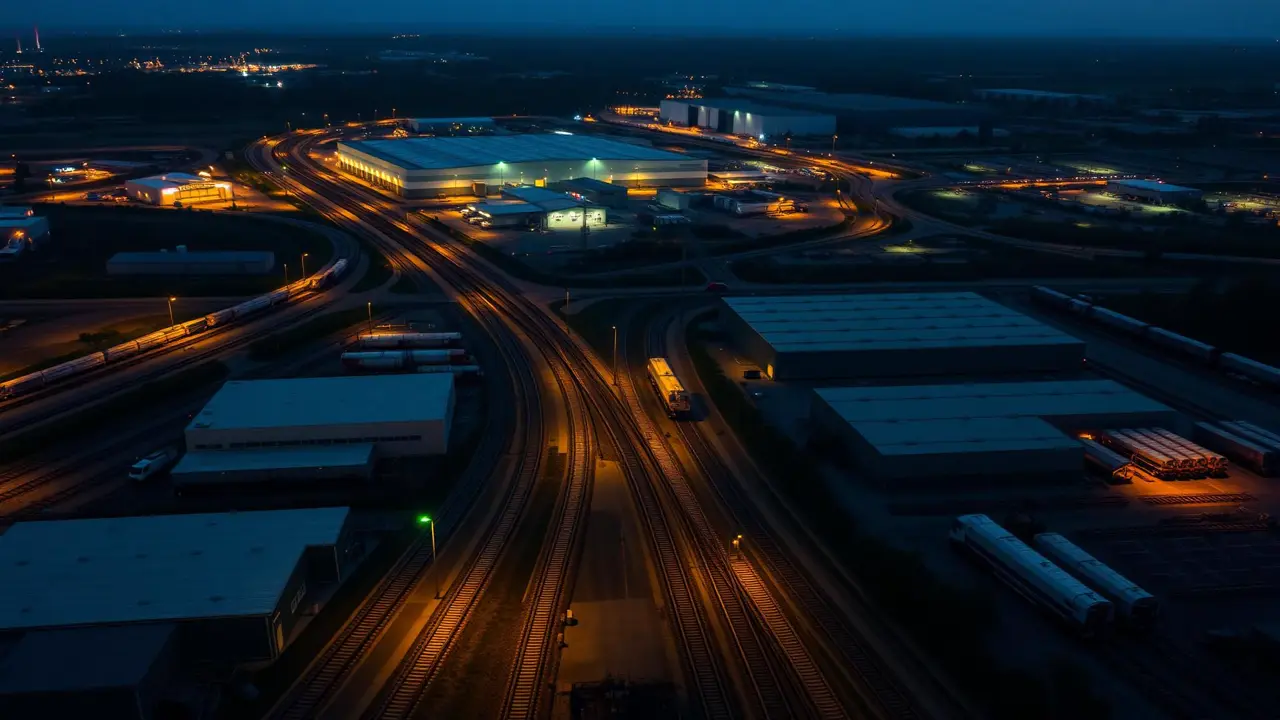
Rail-served industrial sites & greenfield development in a reshoring economy.
As supply chains reshore and manufacturers seek speed-to-market, direct rail access has become a decisive competitive advantage. Our view explores why existing rail-served sites command a premium — and why greenfield rail-served development is emerging as one of the most compelling opportunities in industrial real estate.
Found this useful? Share it with your network.
Rail access is no longer a niche advantage — it is becoming a prerequisite for competitive industrial real estate.
North America's industrial real estate market is experiencing a structural shift. Decades of offshoring are reversing. Manufacturers are bringing production closer to end markets, and logistics operators are prioritizing multimodal access to reduce transit times and costs.
At the center of this shift is rail-served industrial land. Existing rail-served sites — once overlooked — now trade at premiums due to scarcity and irreplaceable infrastructure. Meanwhile, greenfield rail-served development on underutilized or adjacent parcels offers institutional-quality returns for developers who understand rail operations, regulatory requirements, and tenant demand.
Our view outlines the market forces driving demand, the structural advantages of rail-served assets, and the strategic playbook for both repositioning existing sites and executing new greenfield rail-served projects.
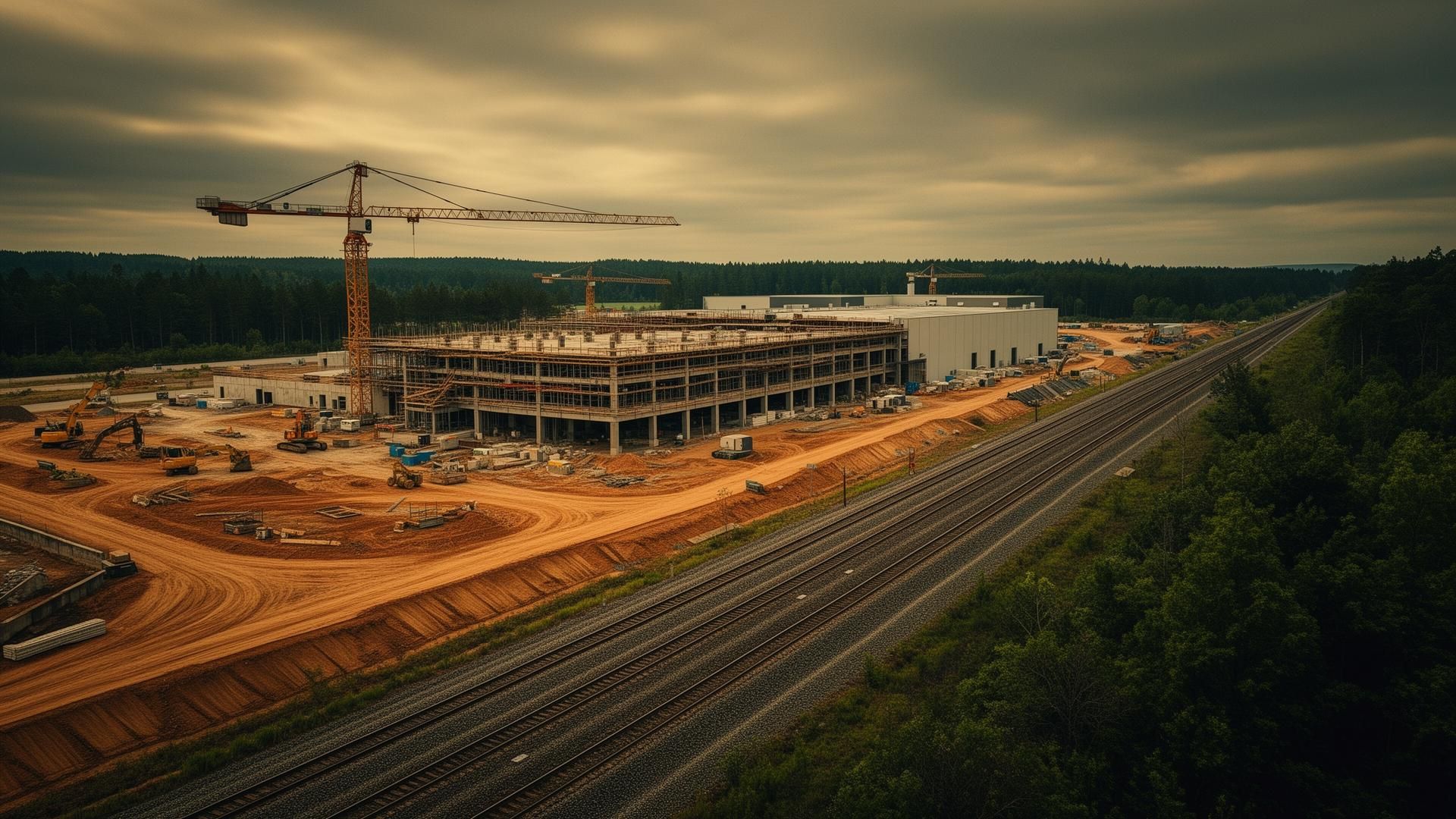
Rail access is moving from a cost advantage to a competitive necessity.
For decades, rail-served industrial sites were a niche segment of the warehouse market. Trucks dominated last-mile and regional distribution, and rail was seen as slow, inflexible, and capital-intensive.
That perception is reversing. As fuel costs rise, driver shortages persist, and emissions accountability tightens, rail has become the preferred mode for bulk, heavy, and long-haul freight. The result: rail-served sites are now among the most sought-after assets in industrial real estate.
Six forces driving demand for rail-served industrial real estate.
Reshoring & nearshoring
U.S. manufacturing construction spending has more than doubled since 2020, driven by reshoring, friend-shoring, and government incentives. New facilities need efficient inbound and outbound logistics — and rail is the most cost-effective mode for bulk, heavy, and long-distance freight.
Supply chain redundancy
The pandemic exposed vulnerabilities in just-in-time global supply chains. Companies now prioritize redundancy, inventory buffers, and domestic sourcing. Rail-served facilities provide reliable, high-volume capacity that trucking alone cannot match.
ESG & emissions mandates
Rail freight produces roughly 75% less greenhouse gas emissions per ton-mile than trucking. As corporations adopt Scope 3 emissions targets and states tighten transportation regulations, rail access becomes a measurable sustainability advantage.
E-commerce & bulk logistics growth
E-commerce fulfillment networks and bulk commodity distributors both require large footprints, high throughput, and cost-efficient long-haul movement. Rail-served industrial parks are uniquely positioned to serve both sectors simultaneously.
Infrastructure investment
Federal programs — including the Bipartisan Infrastructure Law, IIJA, and state-level industrial development bonds — are directing billions into rail corridor improvements, port connections, and intermodal terminals, increasing the utility and value of connected sites.
Institutional capital allocation
Pension funds, sovereign wealth funds, and infrastructure investors are increasing allocations to industrial real estate and logistics. Rail-served assets, with their long lease terms, essential-tenant profiles, and inflation-linked revenue, fit these mandates precisely.
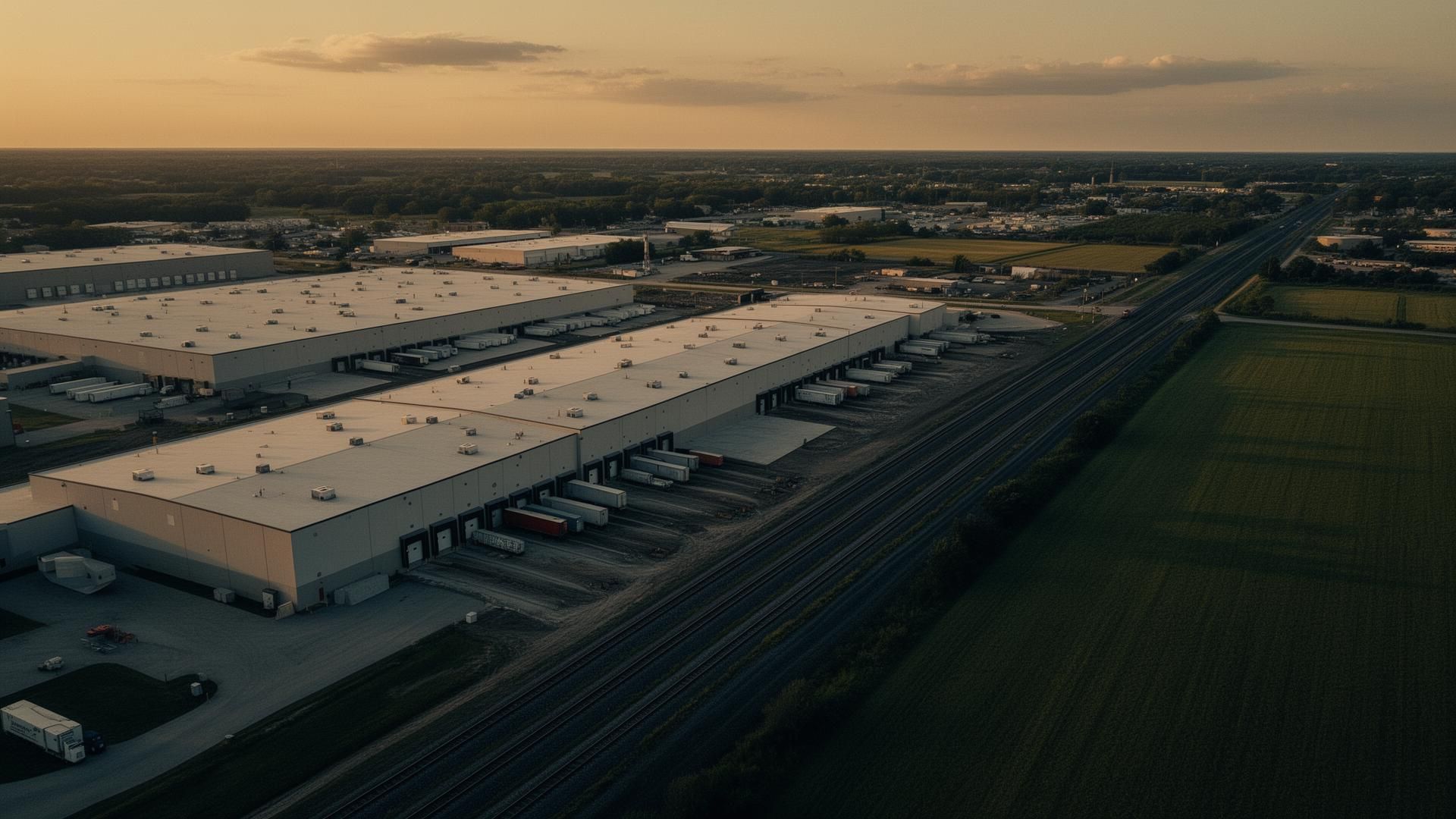
Existing rail-served inventory is finite. Greenfield development is the next frontier.
Why existing rail-served assets command a premium and retain tenants.
Scarcity creates pricing power
The stock of existing rail-served industrial buildings is finite and declining in many markets. New rail-served construction has been minimal for two decades, so tenants with rail-dependent operations have limited options — giving landlords significant leverage on rates and terms.
Embedded infrastructure is irreplaceable
Rail sidings, spurs, and loading infrastructure are capital-intensive to build and nearly impossible to permit on greenfield sites in some jurisdictions. Existing sites carry this infrastructure in place — a sunk-cost advantage no competitor can easily replicate.
Tenant stickiness is structural
Rail-served tenants invest in specialized loading equipment, track connections, and operational workflows tied to a specific site. Relocating means not just moving inventory, but rebuilding rail infrastructure — making retention rates far higher than standard industrial.
Four greenfield archetypes reshaping the rail-served landscape.
Raw land with rail proximity
Undeveloped or underutilized parcels adjacent to active rail corridors, often at the edge of existing industrial zones. These sites offer the lowest basis but require full infrastructure buildout — sidings, grading, utilities, and environmental remediation.
Brownfield rail-served redevelopment
Former industrial or rail-yard sites with existing track infrastructure that can be rehabilitated. These projects often benefit from historical rail easements, established zoning, and proximity to urban logistics demand — but require careful environmental and structural due diligence.
Rail-adjacent master-planned parks
Large-scale industrial parks developed with integrated rail access from inception. These projects combine speculative buildings with build-to-suit rail-served facilities, creating ecosystems where tenants benefit from shared infrastructure and multimodal connectivity.
Transload & logistics hub development
Greenfield transloading facilities that bridge rail and truck, often co-located with bulk storage, warehousing, and distribution. These assets generate diversified revenue from handling fees, storage, and real estate — and attract tenants who need flexible multimodal access.
Four principles for executing rail-sited industrial projects.
Assess rail access & capacity
Not all rail proximity is equal. Evaluate the host railroad's service frequency, car supply, line capacity, and willingness to serve new customers. Confirm spur design, switching agreements, and whether the site qualifies for common-carrier access.
Validate tenant demand before dirt moves
Greenfield rail-served development carries higher risk than standard industrial because of specialized infrastructure. Pre-lease a significant portion of the project, or confirm deep tenant demand through market studies, broker outreach, and direct shipper engagement.
Navigate regulatory & environmental terrain
Rail-served sites face additional regulatory layers — FRA safety rules, state environmental reviews, local zoning for heavy industrial use, and sometimes federal STB oversight. Early engagement with regulators and experienced rail counsel prevents costly delays.
Design for flexibility & future-proofing
Build infrastructure that serves current tenants while accommodating future users. Flexible loading configurations, expandable track layouts, and multimodal transload capacity increase asset longevity and appeal to a broader tenant pool.
Rail-served industrial real estate is entering a generational expansion.
The convergence of reshoring, supply chain restructuring, ESG mandates, and institutional capital allocation is creating unprecedented demand for rail-connected industrial capacity. Existing rail-served sites are scarce and increasingly valuable. Greenfield development — executed with rail expertise, tenant focus, and regulatory discipline — offers returns that match the best industrial opportunities in the market.
At Rail-Industrial Partners, we combine capital markets experience with deep rail operations knowledge to identify, underwrite, and execute rail-served real estate investments. Whether repositioning an existing asset or developing a new greenfield project, we bring the full-stack capabilities required to create lasting value.
How we create valueCommon questions about rail-served industrial real estate.
What makes a site 'rail-served'?
OpenClose
A rail-served site has direct track access — typically via a spur or siding connected to a host railroad's main line — allowing railcars to load and unload on the property. This is distinct from rail-adjacent sites, which are near a rail line but lack direct connectivity.
Why are rail-served sites becoming more valuable?
OpenClose
Supply chain reshoring, ESG mandates, and the scarcity of existing rail-served inventory are all driving demand. Tenants increasingly need direct rail access for bulk commodities, manufacturing inputs, and distribution — and there are few new rail-served buildings being developed.
What is greenfield rail-served development?
OpenClose
Greenfield rail-served development refers to new construction on previously undeveloped or underutilized land with rail access. This includes master-planned industrial parks, transload facilities, and build-to-suit warehouses built with integrated rail infrastructure from the ground up.
What are the main risks in rail-served development?
OpenClose
Key risks include host railroad service reliability, regulatory and permitting complexity (FRA, environmental, local zoning), higher upfront capital costs for track infrastructure, and the need for specialized tenant demand. Mitigating these requires deep rail operations expertise and early stakeholder engagement.
How do rail-served assets perform as investments?
OpenClose
Rail-served industrial real estate typically delivers higher tenant retention, longer lease terms, and stronger rent growth than standard warehouse product. The embedded infrastructure creates a structural moat, while the essential nature of rail freight insulates cash flow from economic cycles.
Let's discuss your rail-sited industrial strategy.
Whether you're evaluating an existing asset, underwriting a greenfield project, or seeking capital for rail-served development, our team brings the rail operations and real estate expertise to help you succeed.