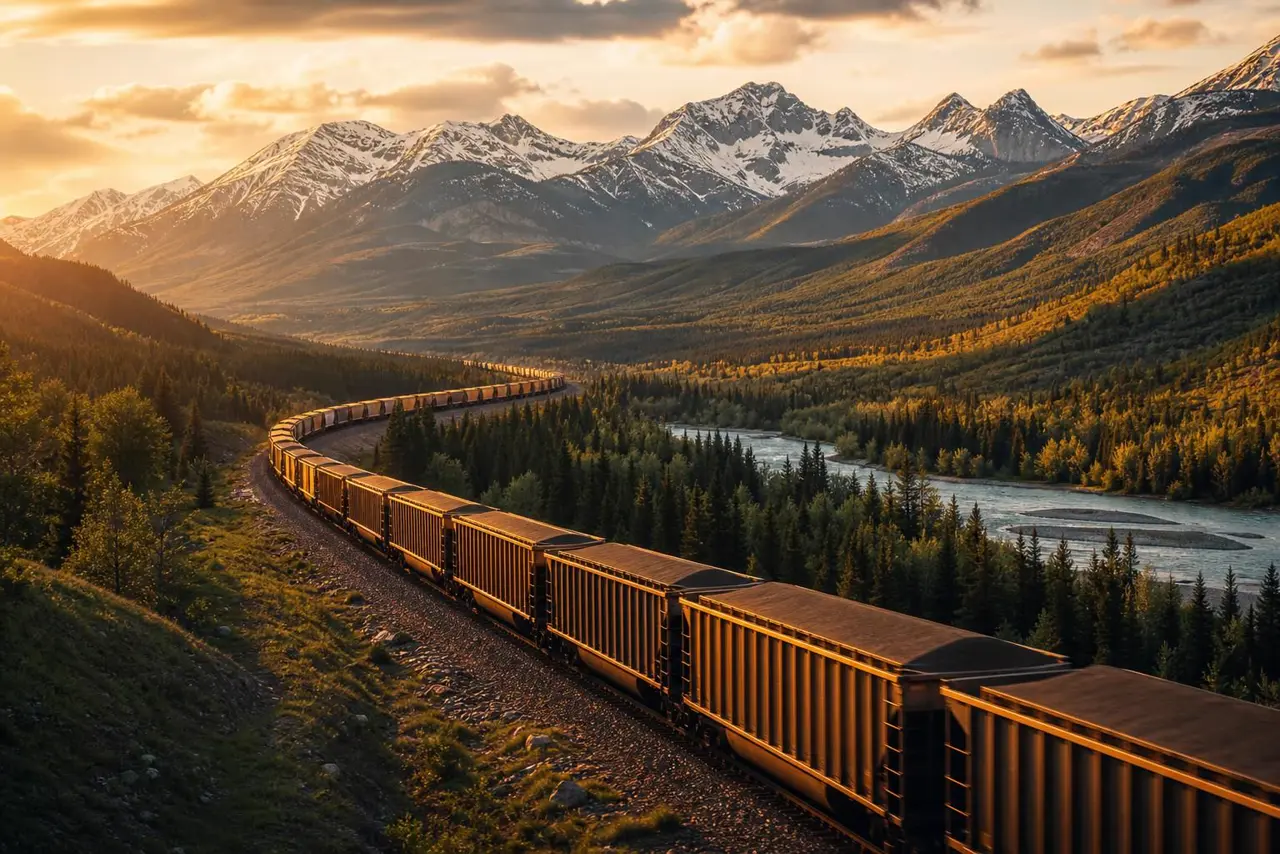
Why shortline rail is one of the most resilient asset classes in transportation.
Regional and shortline railroads sit on irreplaceable rights-of-way, move essential freight, and operate behind formidable barriers to entry. This summary lays out why these assets generate durable cash flow through economic cycles — and why they remain under-owned by institutional capital relative to their risk-adjusted returns.
Found this useful? Share it with your network.
Resilience in transportation comes from scarcity, necessity, and barriers to entry — and shortline rail has all three.
North America's roughly 600 shortline and regional railroads operate tens of thousands of route-miles that connect farms, factories, quarries, and ports to the national Class I network. They are the essential first and last mile of the freight rail system — and the only practical link to rail for thousands of shippers.
For investors, that role translates into an unusually durable economic profile. The combination of irreplaceable infrastructure, essential demand, regulatory protection, and operating leverage makes shortline rail one of the few transportation asset classes that holds value across cycles. The pages that follow summarize why.

You cannot build a new railroad next to an existing one.
The defining feature of rail infrastructure is that it cannot be replicated. Contiguous corridors, grade crossings, and easements assembled over more than a century are effectively impossible to recreate today.
That scarcity is the foundation of the asset class — it protects pricing, deters competition, and underpins value that compounds over decades.
Six structural reasons shortline rail endures.
Irreplaceable rights-of-way
A shortline's right-of-way cannot be rebuilt. Assembling contiguous corridors, grade crossings, and easements today is effectively impossible. That scarcity gives existing lines a structural moat no new entrant can replicate.
Essential, sticky freight
Shortlines move heavy, bulk commodities — grain, aggregates, chemicals, metals, lumber, energy — where rail is the only economical mode. Shippers are physically connected to the line, making demand sticky and switching costs high.
High barriers to entry
Capital intensity, regulatory oversight, and the impossibility of duplicating track create near-monopoly economics on each line. Competitors cannot simply build a parallel railroad to take a customer.
Durable cash flow through cycles
Because the freight is essential and the network is fixed, volumes are more defensive than trucking or air. Revenue holds up in downturns, and disciplined operators expand margins regardless of the cycle.
Operating-improvement upside
Many lines are under-managed rather than uneconomic. Better car utilization, service design, pricing, and industrial development convert dormant capacity into incremental, high-margin revenue.
Supportive policy & tax framework
Programs such as the Section 45G shortline maintenance tax credit and federal and state infrastructure funding reduce capital burden and reinforce the long-term viability of the network.
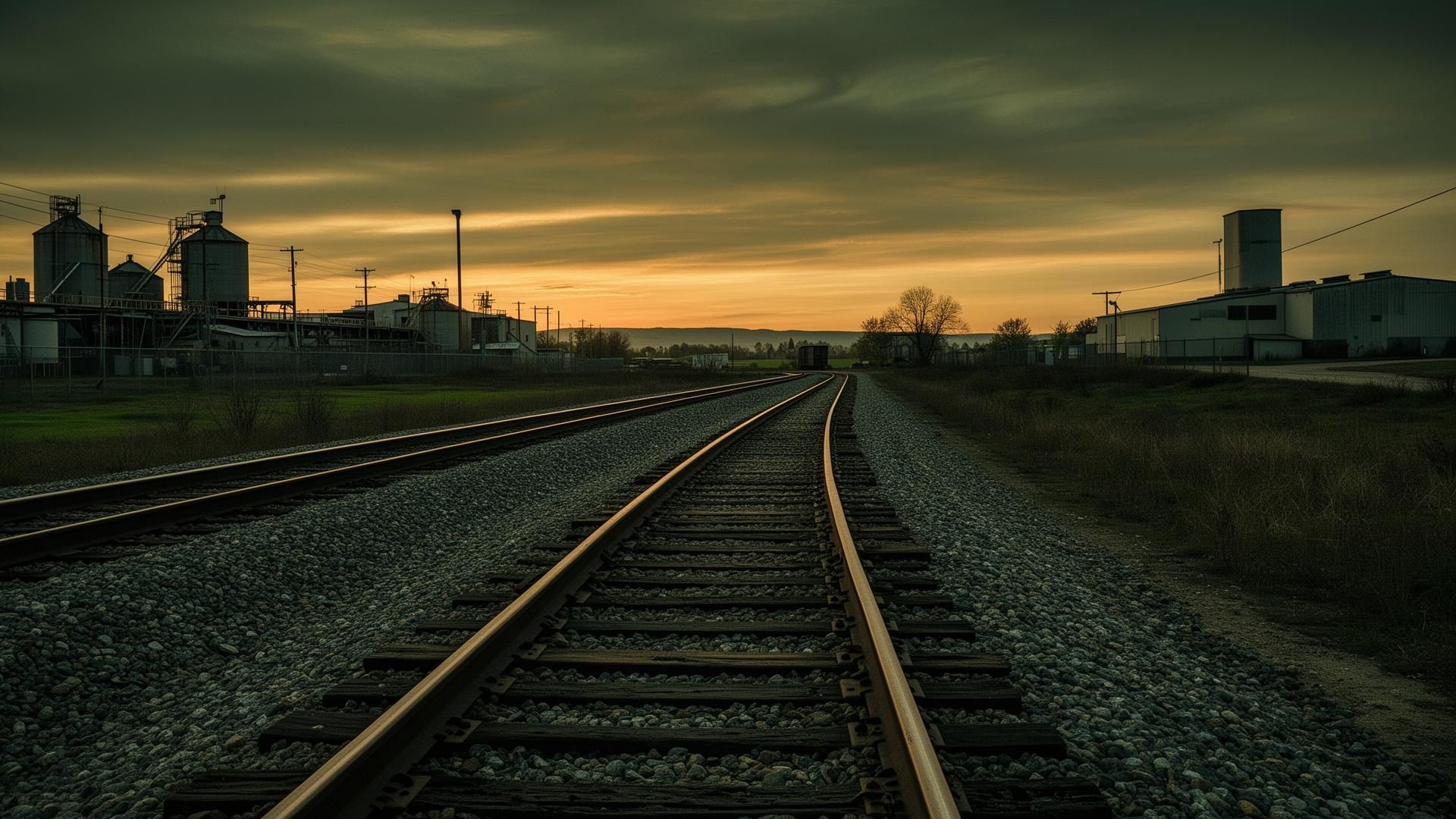
Shortlines are the indispensable first and last mile of the freight rail network.
Why the cash flow holds up when other transport assets falter.
Demand is non-discretionary
The commodities shortlines carry — food, building materials, energy, industrial inputs — keep moving whether the economy is expanding or contracting. That insulates carloads from the swings that hit consumer-driven freight.
Pricing power is structural
With customers physically tied to the line and no competing track, shortlines can pass through inflation and protect margins in ways most transportation businesses cannot.
Costs are largely fixed and controllable
Once the network exists, incremental carloads carry high contribution margins. Operating discipline combined with an intense commercial focus — not constant capital reinvestment — drives profitability, supporting strong free cash flow conversion.
Resilient assets, under-owned by institutional capital — that is the opportunity.
Shortline rail combines the defensive characteristics investors prize — essential demand, scarcity, barriers to entry — with the value-creation upside of assets that have been under-managed. Patient capital paired with hands-on operating expertise and an expanded commercial focus can transform an average-performing rail line into a durable, cash-generative franchise.
That is the thesis behind our work: acquire and improve irreplaceable rail and rail-served infrastructure, then compound its value over time. The result is an asset class built to endure.
See how we create valueLet's discuss the resilience of rail as an asset class.
Whether you're evaluating a shortline acquisition or building a rail-served strategy, our team can help you assess the opportunity and the durable value behind it.